
Menopause Clinic Wollongong
TeamMed Medical Practice provides GP-led menopause and perimenopause care in Wollongong. Consultations may include review of symptoms, menstrual changes, medical history, medications, preventive health and treatment options. Management can involve lifestyle measures, hormonal or non-hormonal treatment, further investigation and follow-up depending on the individual patient.

Menopause and Perimenopause Can Look Different for Everyone
Changes in periods, sleep, mood, temperature regulation, concentration or physical comfort can begin before periods stop completely. For some women these changes are mild, while for others they start affecting work, relationships, exercise, sleep or everyday wellbeing.
TeamMed Medical Practice provides menopause and perimenopause care in Wollongong through general practice. Consultations focus on understanding what has changed, considering other possible causes where appropriate, and discussing management based on your symptoms, medical history and preferences.

Menopause is a normal stage of life, but the transition towards it is not identical for every woman.
Perimenopause describes the period leading up to menopause, when hormone levels fluctuate and menstrual patterns may begin to change. Symptoms can start while periods are still occurring, which is one reason some women are unsure whether menopause is relevant to what they are experiencing.
Changes may include:
✔ Hot flushes
✔ Night sweats
✔ Changes in menstrual timing or flow
✔ Sleep disturbance
✔ Fatigue
✔ Mood changes
✔ Anxiety or irritability
✔ Difficulty concentrating
✔ Memory changes
✔ Headaches
✔ Joint or muscle discomfort
✔ Vaginal dryness
✔ Changes in libido
✔ Urinary symptoms
Having one or more of these symptoms does not automatically mean menopause is the cause. Thyroid conditions, iron deficiency, medication effects, mental health concerns and other medical conditions can produce overlapping symptoms.
A menopause consultation helps place those changes within the wider clinical picture.
When It May Be Worth Booking an Appointment
You do not need to wait until your periods have completely stopped before speaking with a GP.
Consider making an appointment if:
Your periods have become noticeably different
Hot flushes or night sweats are affecting daily life
Sleep has become consistently disrupted
Mood or concentration has changed
Vaginal or urinary symptoms are causing discomfort
Symptoms are interfering with work or relationships
You are unsure whether changes are related to perimenopause
You want to understand available treatment options
You have concerns about bone, cardiovascular or general health through midlife
Some women also book because several seemingly unrelated symptoms have appeared around the same time.
For example, someone may initially seek help for poor sleep before realising they are also experiencing changes in their cycle, temperature regulation and concentration.
What Happens During a Menopause Consultation?
A useful menopause assessment looks beyond one symptom or one laboratory result.
Your GP may ask about:
Menstrual history
When symptoms began
How symptoms have changed
Sleep
Mood and mental wellbeing
Current medications
Contraception
Previous pregnancies or gynaecological history
Family medical history
Cardiovascular risk factors
Bone health
Breast and cervical screening
Previous test results
Lifestyle factors
Your doctor may also discuss how much the symptoms are affecting daily life.
That information can help determine whether further investigation is needed and which management options are reasonable to consider.
Patients already using TeamMed for women’s health care in Wollongong can also discuss menopause as part of their broader general practice care.
Do You Need a Blood Test to Diagnose Perimenopause?
Not always. Hormone levels can fluctuate considerably during perimenopause, so a single blood test may not provide a clear answer for every patient.
For many women at the typical age for menopause, the clinical pattern of symptoms and menstrual changes provides important information. Testing may still be appropriate when the presentation is unusual, symptoms could have another explanation, periods have stopped at a younger age, or another medical condition needs to be excluded.
Depending on the circumstances, your GP may consider investigations such as:
Full blood count
Iron studies
Thyroid testing
Blood glucose
Lipid testing
Other pathology based on symptoms
Imaging where clinically indicated
The aim is not to order every possible test. It is to investigate the concerns that are relevant to the individual patient.
Treatment Options Are Not Limited to Hormone Therapy
There is no single treatment plan that suits everyone experiencing menopause symptoms.
Management depends on symptom severity, medical history, risk factors, preferences and what is having the greatest effect on daily life.
Options may include:
Menopausal Hormone Therapy
Menopausal hormone therapy, often referred to as MHT or HRT, may be appropriate for some women experiencing troublesome symptoms.
Before prescribing, a GP needs to consider individual benefits, risks, medical history and whether there are factors that affect suitability.
Different preparations and routes are available, and treatment may require review and adjustment over time.
Non-Hormonal Treatment
Hormone therapy is not suitable or preferred by every patient.
Depending on the symptoms involved, non-hormonal medication or other targeted management may be considered.
Lifestyle Support
Sleep, physical activity, nutrition, alcohol intake, smoking, stress and general cardiovascular health can also become relevant during midlife.
Lifestyle measures are not a substitute for medical treatment where treatment is needed, but they can form part of a broader care plan.
Sleep, Mood and Concentration Changes Matter Too
Menopause is often associated with hot flushes, but many women first notice changes in sleep, emotional wellbeing or concentration.
Poor sleep can affect energy, memory, work performance and mood. Anxiety or low mood may also occur during the menopause transition or may exist independently.
A GP can assess these concerns rather than automatically attributing everything to hormones.
Where a more focused mental health assessment is needed, TeamMed also provides GP-led mental health support.
Understanding whether several symptoms are connected can help guide the next step without overlooking other possible causes.
Changes in Bleeding Should Be Assessed Individually
Menstrual changes can occur during perimenopause, but not every change should automatically be assumed to be hormonal.
Speak with your GP if you develop:
Very heavy bleeding
Bleeding that has become much more frequent
Bleeding between periods
Bleeding after sex
Bleeding after menopause
Symptoms of anaemia such as persistent fatigue or dizziness
Depending on the presentation, further investigation may be required.
If heavy bleeding has contributed to iron deficiency, your GP may discuss treatment of both the iron deficiency and the underlying cause. TeamMed also provides iron infusion assessment where clinically appropriate.
Bone, Heart and Preventive Health During Midlife
Menopause consultations can also be an opportunity to review longer-term health rather than focusing only on current symptoms.
This may include consideration of:
Blood pressure
Cholesterol
Diabetes risk
Family cardiovascular history
Bone health
Osteoporosis risk
Smoking
Physical activity
Weight changes
Breast screening
Cervical screening
Immunisations
The appropriate preventive care depends on age, medical history and individual risk.
This broader approach can be useful because menopause often occurs at a stage of life when cardiovascular, metabolic and bone health become increasingly relevant.
Contraception May Still Be Relevant During Perimenopause
Irregular periods do not necessarily mean pregnancy is no longer possible.
Some women still require contraception during perimenopause, and the choice of method may need to be reconsidered as health needs change.
A GP can discuss whether your current contraception remains suitable, how it may affect bleeding patterns and whether it interacts with menopause treatment decisions.
TeamMed provides contraception consultations as part of its broader women’s health services.
Our Doctors Providing Menopause Care
Menopause and perimenopause care at TeamMed is provided within general practice, allowing symptoms to be considered alongside medications, preventive health, mental wellbeing and existing medical conditions.
Patients who prefer to see a woman can also request a female GP in Wollongong, subject to availability.
-
![]()
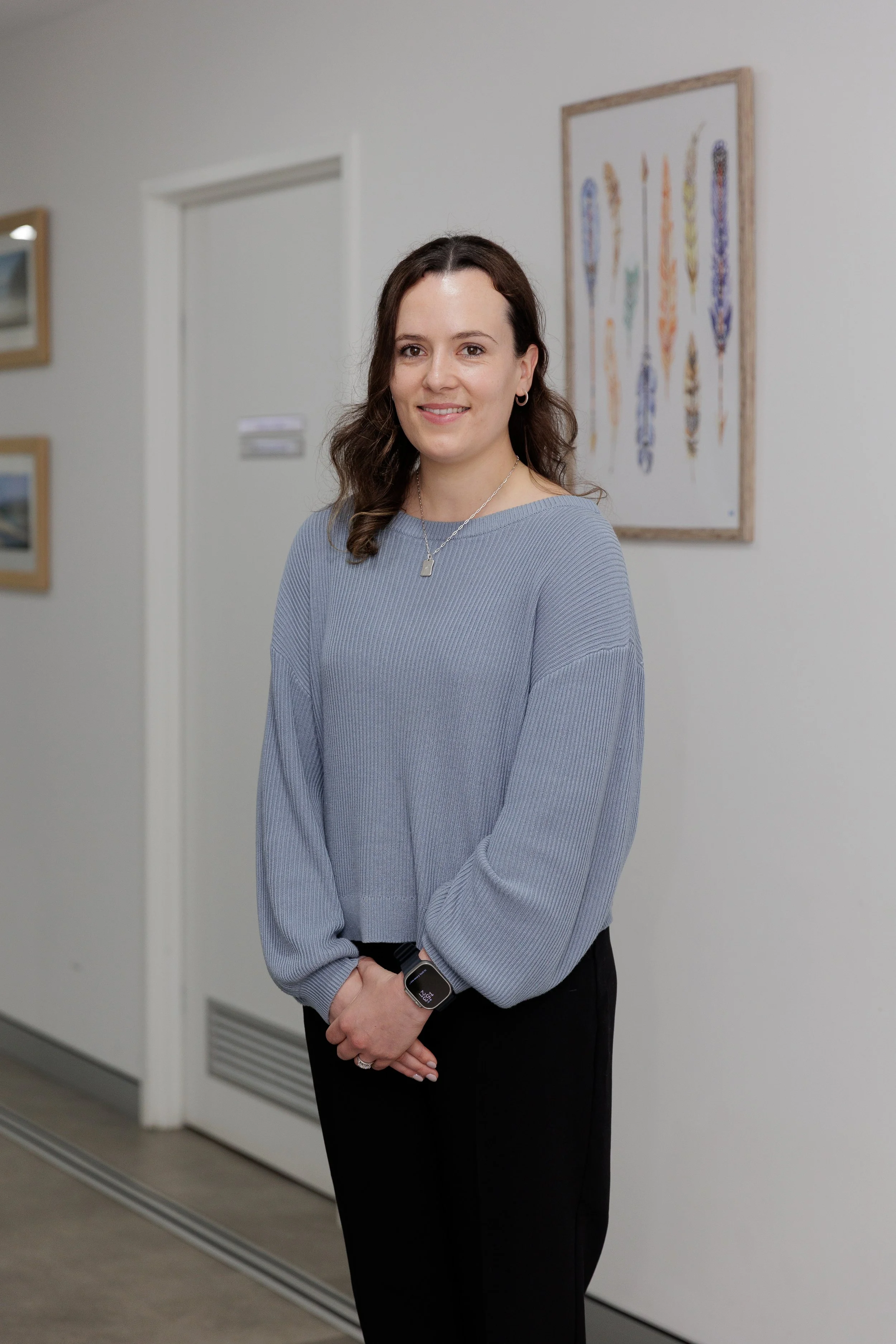
Dr Bernadetta Ratnam
Dr Bernadetta Ratnam has a Certificate in Women’s Health, a Diploma in Child Health and certification in clinician-performed ultrasound.
-
![]()
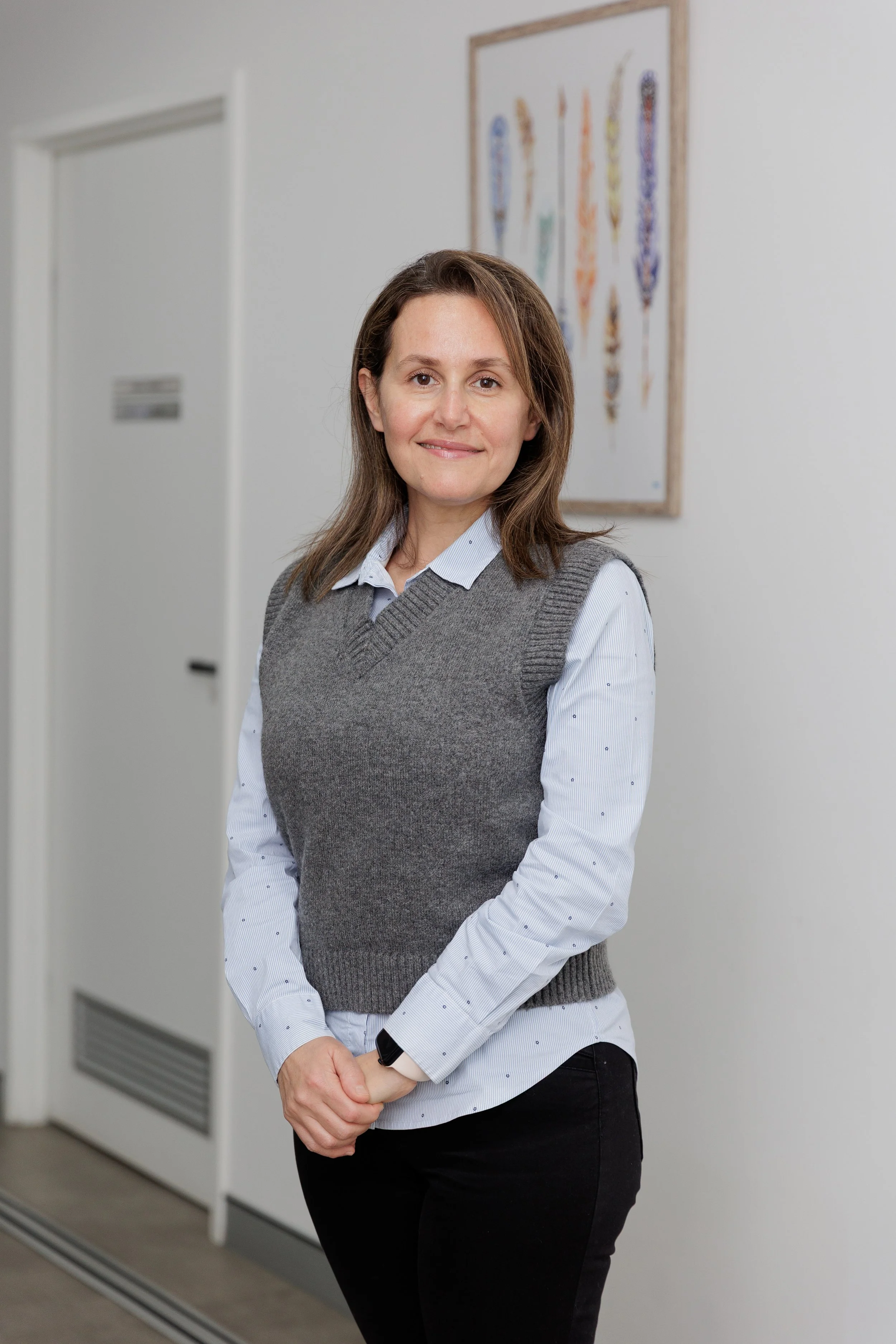
Dr Noha Mahanna
Dr Noha Mahanna is a Fellow of the Royal Australian College of General Practitioners and has a special interest in women’s health and antenatal care.
-
![]()
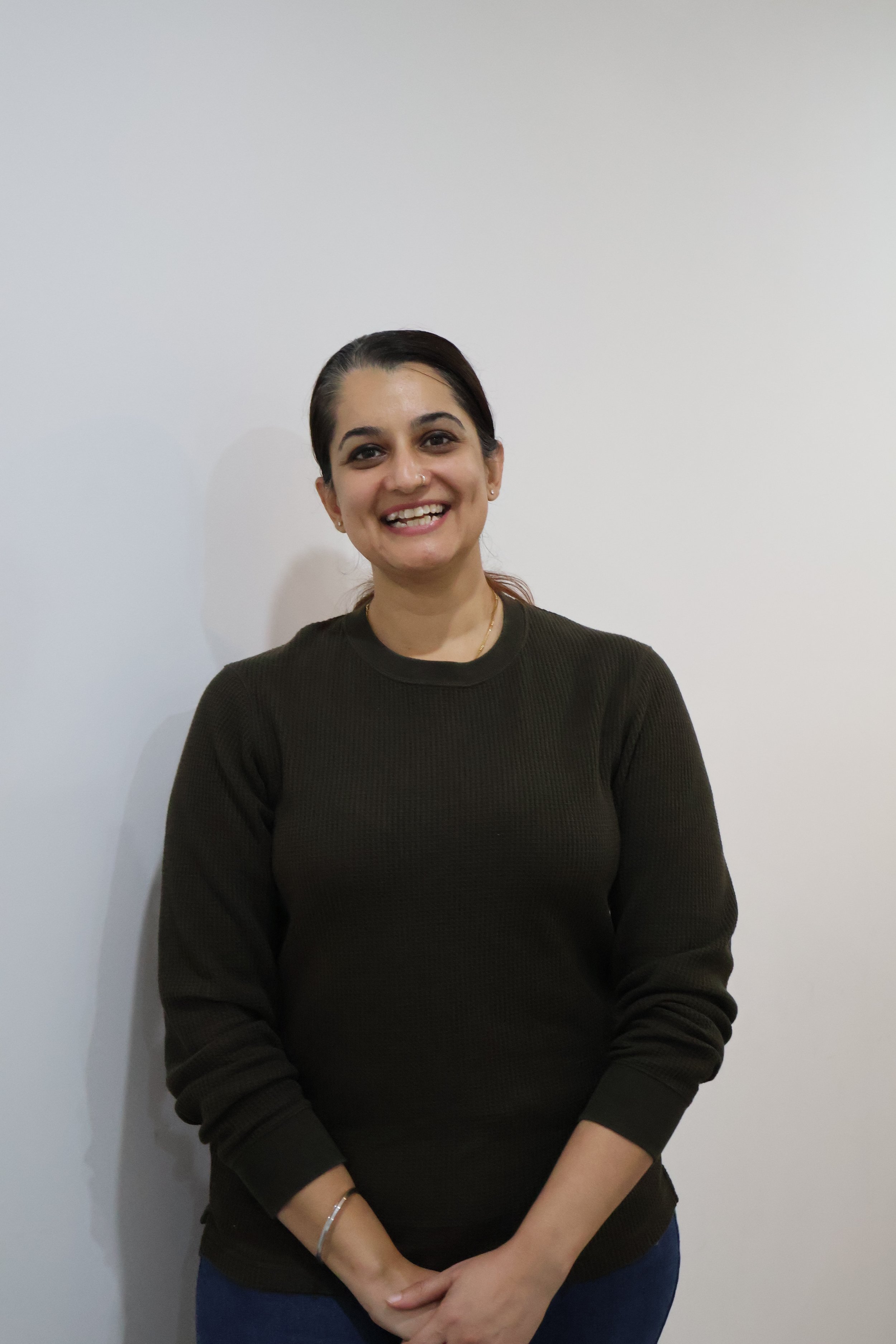
Dr Sarenjit Kaur
Dr Sarenjit Kaur is a female general practitioner with interests in women’s health, general medicine, nutrition and older adult care. She speaks English, Malay, Bahasa Indonesia, Punjabi and Hindi.
-
![Dr Nour Baghdour - Teammed Medical Practice Wollongong]()
Dr Nour Baghdour
Dr Nour Baghdour has more than 20 years of experience in family and community medicine, with interests in women’s health, mental health, paediatric care, chronic disease management and pregnancy follow-up.
-
![Dr Olivia Thornett - Teammed Medical Practice Wollongong]()
Dr Olivia Thornett
Dr Olivia Thornett is a Fellow of the Royal Australian College of General Practitioners with additional qualifications in women’s health. She is trained in contraceptive coil and implant fitting and removal.


Follow-Up Can Be as Important as the First Appointment
Menopause management may need to change over time.
A follow-up consultation may be used to:
Review test results
Assess whether symptoms have changed
Discuss response to treatment
Review side effects
Adjust medication where appropriate
Revisit treatment preferences
Review preventive health
Decide whether specialist referral is needed
Some symptoms improve quickly while others take longer to monitor.
Regular review can also help distinguish treatment effects from unrelated changes in health.
When Specialist Referral May Be Needed
Many menopause and perimenopause concerns can be managed in general practice, but referral may be appropriate where the situation is more complex.
Examples can include:
Menopause occurring unusually early
Complex bleeding patterns
Significant gynaecological symptoms
Previous hormone-sensitive cancer
Complex medical history affecting treatment decisions
Symptoms that remain difficult to manage
Concerns requiring specialist investigation
Referral does not necessarily mean something serious has been found. It may simply provide access to additional expertise or investigations.
Menopause Care Across Wollongong and Nearby Suburbs
TeamMed Medical Practice provides menopause and perimenopause consultations for patients from Wollongong, Corrimal, Warrawong, Woonona, Fairy Meadow, Figtree and Dapto.
Patients may attend the Flinders Street clinic to discuss changing periods, sleep disturbance, hot flushes, mood changes, treatment options or broader preventive health concerns associated with midlife.

Preparing for Your Appointment
You do not need to arrive with a diagnosis.
It can help to bring:
A list of current medications and supplements
Recent pathology or imaging results
Dates or notes about menstrual changes
A brief record of symptoms
Relevant specialist letters
Questions about treatment options
If several symptoms need discussion, tell reception when booking so they can advise whether a longer consultation would be more suitable.
Book a Menopause Clinic Appointment in Wollongong
If you are experiencing symptoms that may relate to perimenopause or menopause, a GP consultation can help clarify what is happening and whether further assessment or treatment should be considered.
TeamMed Medical Practice provides menopause care from its Wollongong clinic, with follow-up available as symptoms and healthcare needs change over time.
We are affiliated with


