
Women’s Health Wollongong
Women’s health appointments at TeamMed Medical Practice Wollongong may cover contraception, cervical screening, menstrual changes, menopause, breast concerns, sexual health, mental wellbeing and preventive care. A GP can review symptoms, discuss suitable examinations or tests, explain management options and arrange follow-up or specialist referral when required.

Women’s Healthcare Through Different Life Stages
A change in your cycle, sleep, mood or physical comfort can be difficult to interpret without considering your broader health. At TeamMed Medical Practice, women can speak with a GP about new symptoms, preventive screening, reproductive health, contraception and health concerns that change through different stages of life.
Our women’s health clinic in Wollongong provides GP-led assessment, practical guidance and follow-up from our Flinders Street medical centre. Consultations are shaped around the reason for your visit, your medical history and the care you feel comfortable receiving.
Women’s health needs are rarely limited to one age or one type of appointment. Concerns may begin during adolescence, arise during the reproductive years, change after pregnancy, or become more noticeable through perimenopause and menopause.
Some appointments focus on prevention, such as cervical screening, immunisation review and general health checks. Others begin because a period has changed, pelvic symptoms are affecting daily life, contraception no longer feels suitable, or physical symptoms are occurring alongside changes in sleep, mood or energy.
A GP can assess these concerns in context rather than assuming they have a single cause. Where appropriate, this may involve examination, pathology, imaging, treatment discussion or referral for specialist care.

Concerns You Can Discuss With A GP
You do not need to know the diagnosis before making an appointment. Explaining what has changed, how long it has been happening and how it affects you gives your doctor a useful starting point.
Women may attend TeamMed to discuss:
✔ Irregular, heavy or painful periods
✔ Bleeding between periods or after sex
✔ Contraception and family planning
✔ IUD and contraceptive implant options
✔ Cervical screening
✔ Breast changes or concerns
✔ Pelvic pain or discomfort
✔ Vaginal symptoms or infections
✔ Sexual health and STI screening
✔ Fertility and pre-pregnancy health
✔ Pregnancy follow-up and antenatal care
✔ Perimenopause and menopause symptoms
✔ Iron deficiency and persistent fatigue
✔ Anxiety, low mood or changes in emotional wellbeing
✔ Preventive health and risk assessment
Symptoms can overlap. Fatigue, for example, may relate to iron deficiency, sleep disruption, stress, medication, hormonal changes or another health condition. Period changes can also have several possible explanations. A consultation helps your GP decide which possibilities need to be explored rather than relying on symptoms alone.
What Happens During A Women’s Health Consultation?
Your GP will usually begin by asking about the main concern and when it started. Depending on the issue, the discussion may include your menstrual history, contraception, pregnancies, medications, family history, sexual health, previous screening and any related physical or emotional symptoms.
You may also be asked how the concern affects daily life. This can be clinically important. Pain that limits work, exercise or sleep may require a different approach from a mild symptom that occurs occasionally.
An examination may be suggested when it could help clarify the concern. Your doctor should explain why it is being recommended and what it involves. You can ask questions before deciding whether to proceed.
Further steps may include:
Blood tests
Cervical screening
Pregnancy testing
STI testing
Urine testing
Imaging
Medication review
Contraception counselling
Preventive health advice
Referral to a gynaecologist or another specialist
A follow-up appointment
Not every concern can be resolved in a single consultation. When results, referrals or symptom monitoring are needed, follow-up allows the next decision to be based on updated information.
Contraception And Reproductive Health
Contraception is not a one-size-fits-all decision. The most suitable option may depend on your health history, menstrual pattern, medications, future pregnancy plans and personal preferences.
A GP can explain short-term and long-acting methods, including oral contraception, contraceptive implants and intrauterine devices. The discussion may cover effectiveness, expected bleeding changes, possible side effects, medical suitability and what happens if you decide to stop or change methods.
TeamMed provides consultations for Mirena and other IUD options, as well as Implanon insertion and removal. An assessment is required before a procedure so your doctor can review suitability, answer questions and explain preparation and aftercare.
Please tell reception if you are booking for an insertion, removal or procedural consultation. This helps the practice allocate the correct appointment type and any required clinical resources.
Cervical Screening And Preventive Care
Cervical screening is intended to identify HPV-related changes before cervical cancer develops. Eligibility and timing depend on factors such as age, previous screening results and personal medical history.
During the appointment, your GP can explain the purpose of the test, how it is performed and when results are expected. If you feel anxious, have previously found screening uncomfortable or have concerns about the examination, mention this before the procedure begins.
Preventive women’s health care may also include:
Blood pressure checks
Immunisation review
Breast awareness discussions
Cardiovascular risk assessment
Diabetes screening
Bone health considerations
Lifestyle and nutrition review
Sexual health screening
Mental health review
Preventive care should reflect individual risk and life stage rather than applying the same checklist to every patient.
Menstrual Changes And Pelvic Symptoms
Periods can vary, but persistent or significant changes deserve medical review. This includes bleeding that becomes heavier, lasts longer, occurs between periods, appears after sex, or causes symptoms such as dizziness and fatigue.
Pain that interrupts work, study, sleep, exercise or everyday activity should also be discussed. Your GP may ask about timing, location, severity and whether the pain occurs alongside bowel, bladder or sexual symptoms.
Possible next steps depend on the history and examination. They may include blood tests, imaging, medication, monitoring or referral. Conditions such as fibroids, endometriosis, adenomyosis, infection and hormonal changes may cause overlapping symptoms, so assessment should be guided by the individual presentation.
Seek urgent medical care for severe or rapidly worsening pain, fainting, very heavy bleeding, suspected pregnancy with pain or bleeding, or any symptom that feels like a medical emergency.
Menopause And Perimenopause Support
Perimenopause can affect more than menstrual timing. Some women notice hot flushes, sleep disturbance, mood changes, vaginal symptoms, reduced libido, headaches, fatigue or difficulty concentrating.
These experiences are not identical for every patient, and similar symptoms can occur for other medical reasons. A GP consultation allows the concern to be reviewed alongside age, menstrual history, medication, mental wellbeing and other health factors.
TeamMed provides assessment and guidance for women experiencing menopause and perimenopause symptoms. Management may involve lifestyle measures, treatment of individual symptoms, medication discussion, preventive health review or referral where further assessment is required.
Female GP Appointments
Some patients prefer to speak with a female GP about contraception, cervical screening, menstrual concerns, sexual health or other sensitive matters. This preference may be personal, cultural or based on a previous healthcare experience.
TeamMed has female doctors with interests and training across women’s health, antenatal care, child health, contraception and general medicine. Patients can request a female GP for women’s medical care, subject to doctor availability.
If seeing a particular doctor is important to you, let reception know when booking. Availability may vary, particularly for longer consultations and procedures.
Mental Health As Part Of Women’s Healthcare
Physical and emotional health often influence one another. Anxiety, low mood, sleep problems, concentration changes, relationship stress, caring responsibilities and workplace pressure may occur alongside reproductive or hormonal concerns.
A GP can help separate symptoms that may be connected from those that need their own assessment. This may include reviewing physical health, medications, sleep, stressors and safety before discussing treatment or referral options.
Patients who need more focused support can access mental health care through TeamMed. A longer appointment may be appropriate when several concerns need to be discussed or when a mental health care plan is being considered.
Iron Deficiency And Fatigue
Persistent tiredness can have several causes. Iron deficiency is one possibility, particularly where heavy menstrual bleeding, dietary factors, pregnancy or another health condition affects iron levels.
Assessment generally involves reviewing symptoms and arranging appropriate blood tests. If iron deficiency is identified, your GP can discuss the possible cause and suitable treatment.
Oral supplements are often considered first, but they may not be effective or suitable for every patient. Where clinically indicated, TeamMed provides assessment for iron infusion treatment in Wollongong. Follow-up testing may be required to check response and determine whether further investigation is needed.
Our Women’s Health Doctors
-
![]()
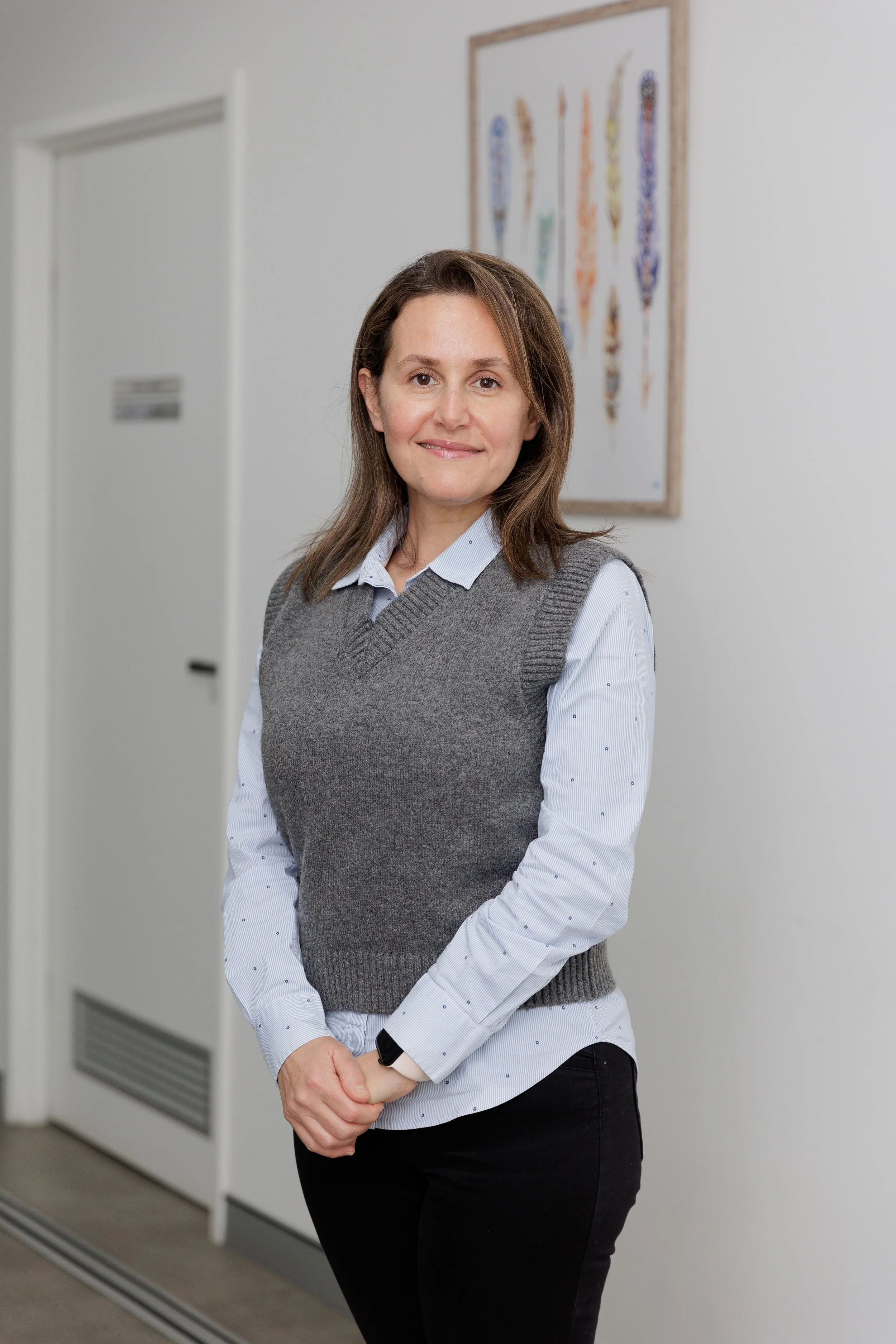
Dr Bernadetta Ratnam
Dr Bernadetta Ratnam has a Certificate in Women’s Health, a Diploma in Child Health and certification in clinician-performed ultrasound.
-
![]()
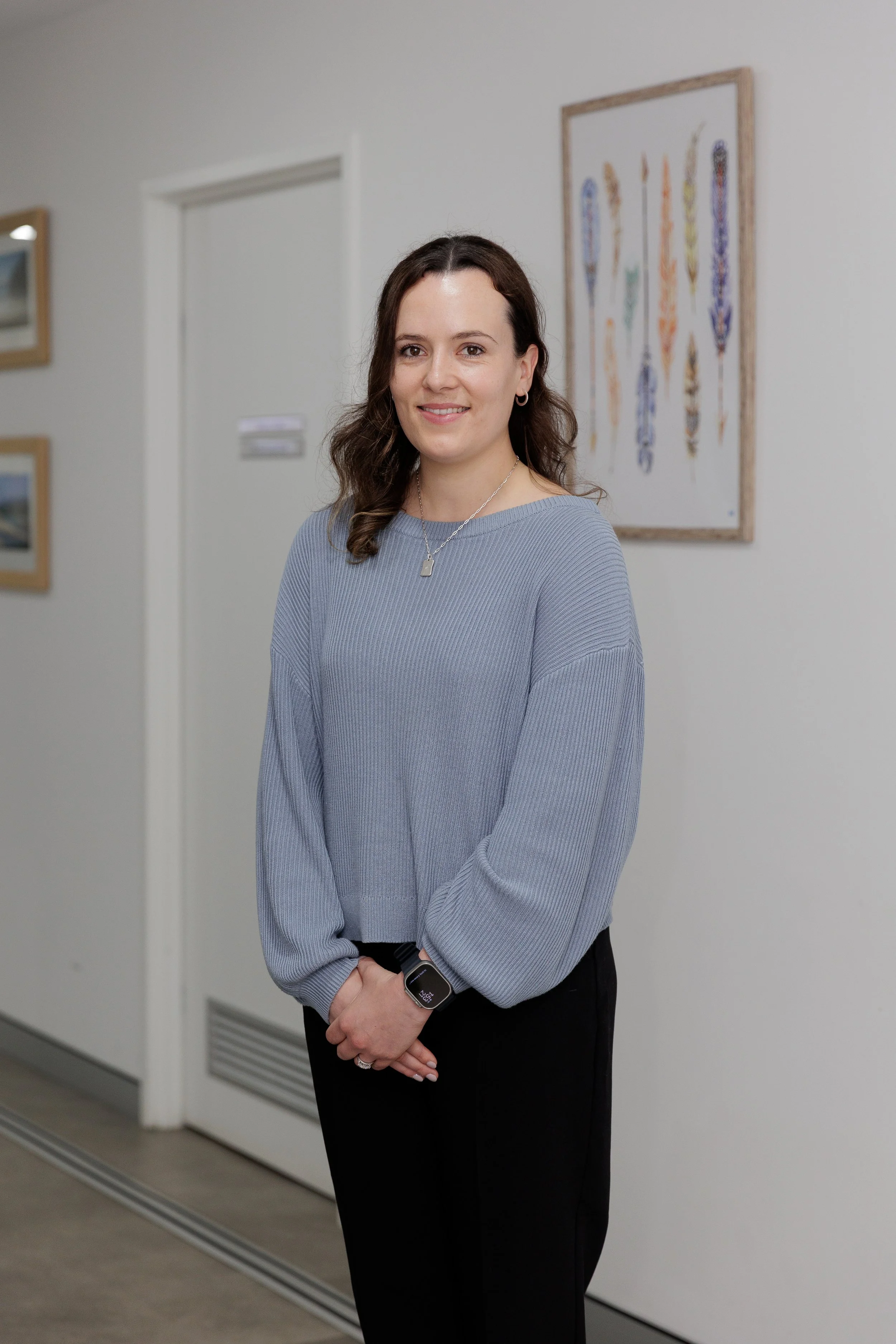
Dr Noha Mahanna
Dr Noha Mahanna is a Fellow of the Royal Australian College of General Practitioners and has a special interest in women’s health and antenatal care.
-
![]()
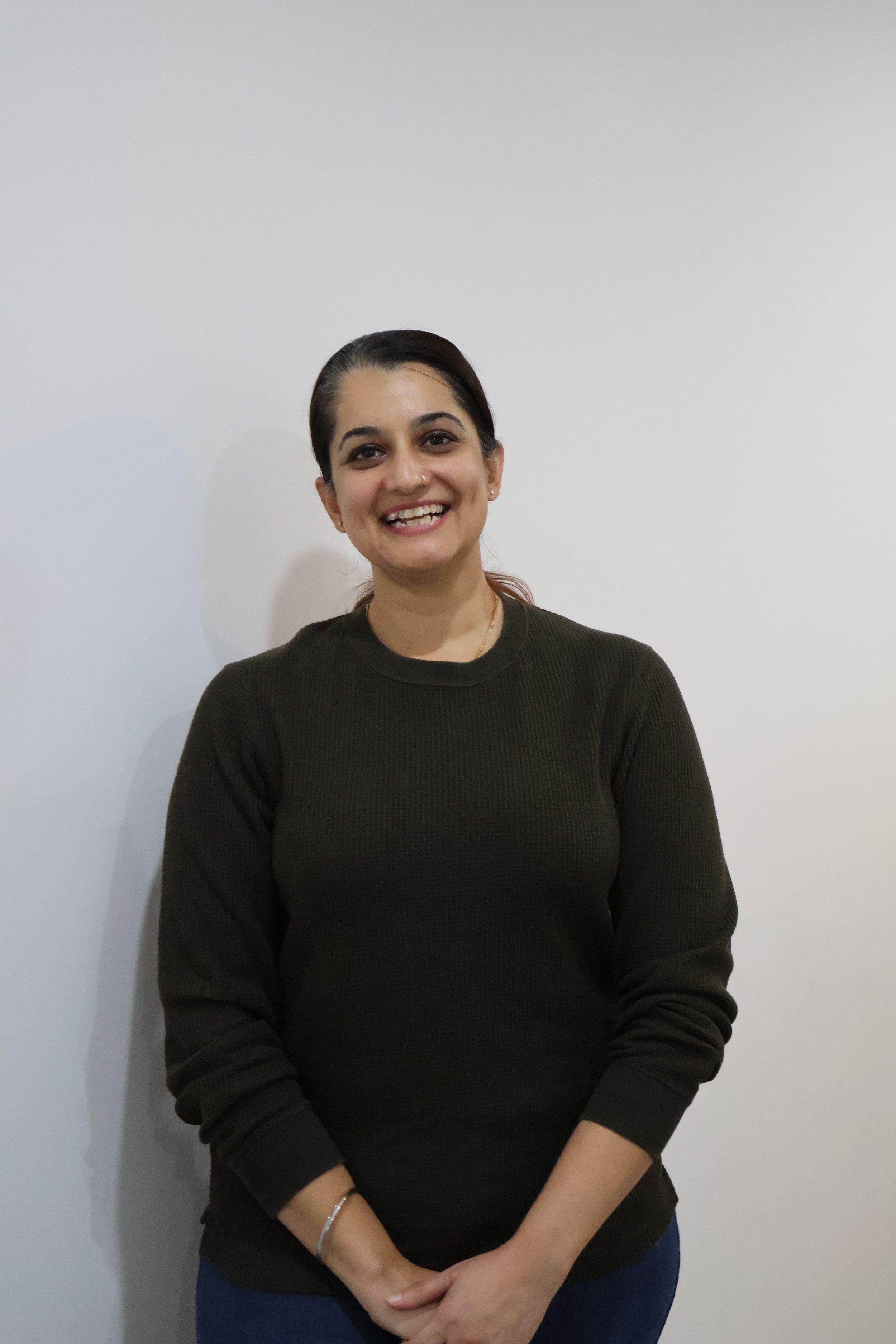
Dr Sarenjit Kaur
Dr Sarenjit Kaur is a female general practitioner with interests in women’s health, general medicine, nutrition and older adult care. She speaks English, Malay, Bahasa Indonesia, Punjabi and Hindi.
-
![Dr Nour Baghdour - Teammed Medical Practice Wollongong]()
Dr Nour Baghdour
Dr Nour Baghdour has more than 20 years of experience in family and community medicine, with interests in women’s health, mental health, paediatric care, chronic disease management and pregnancy follow-up.
-
![Dr Olivia Thornett - Teammed Medical Practice Wollongong]()
Dr Olivia Thornett
Dr Olivia Thornett is a Fellow of the Royal Australian College of General Practitioners with additional qualifications in women’s health. She is trained in contraceptive coil and implant fitting and removal.


When Specialist Care May Be Recommended
General practice is often the first step when a new women’s health concern arises. Your GP can assess the issue, arrange initial investigations and determine whether specialist input is needed.
Referral may be considered for:
Persistent or severe pelvic pain
Abnormal bleeding requiring further investigation
Suspected endometriosis or another gynaecological condition
Complex fertility concerns
Breast symptoms requiring imaging or specialist review
Abnormal cervical screening results
Symptoms that do not improve with initial management
Procedures not performed within general practice
Pregnancy concerns requiring obstetric care
Referral does not always mean a serious condition is suspected. It may be recommended because a specialist examination, procedure or opinion is the most appropriate next step.
In-Person And Telehealth Appointments
Most women’s health concerns are best assessed in person when an examination, screening test, procedure or physical assessment may be needed.
Telehealth may be suitable for selected follow-up matters, medication discussions or result reviews for eligible patients who have attended the practice face to face within the previous 12 months.
If you are unsure which format to choose, tell reception the broad reason for your appointment. You do not need to provide private details. A short explanation such as “women’s health concern”, “cervical screening”, “contraception consultation” or “menopause review” is usually enough to assist with booking.

Women’s Healthcare Across Wollongong And Nearby Suburbs
TeamMed Medical Practice provides women’s health care from its centrally located Wollongong medical practice on Flinders Street, close to Wollongong train station and Wollongong Hospital.
Patients also travel from Dapto for GP and women’s health appointments, particularly when they need access to ongoing care, a female doctor, preventive screening or a procedure consultation.
Our women’s health centre in Wollongong also supports patients from Corrimal, Figtree, Fairy Meadow, Warrawong and Woonona.
Booking A Women’s Health Appointment
A standard consultation may be suitable for one straightforward concern. Consider requesting a longer appointment if you need to discuss several symptoms, mental health, a complex history, menopause concerns or multiple treatment options.
Please tell reception if the appointment is for:
Cervical screening
IUD or implant insertion or removal
A procedure
A mental health care plan
Several connected symptoms
Forms or documentation
Review of external results
Bring any relevant medication lists, previous test results, specialist letters or screening information. You may also find it useful to note when symptoms began, how they have changed and what impact they have on daily life.
We are affiliated with


